Managing Customs Documentation
You are liable for trade compliance records if your job creates, inspects, checks, stores, or utilizes import, export, customs, sanctions, or licensing documents. That often includes trade compliance, logistics, procurement, customs brokers, finance, legal, and IT. You must preserve complete, traceable records that document classification, valuation, origin, screening, licensing, filings, corrections, and retention rules. Clear ownership prevents gaps, inconsistent files, and delayed responses to audits or government inquiries. The sections below outline duties, records, retention, and controls.
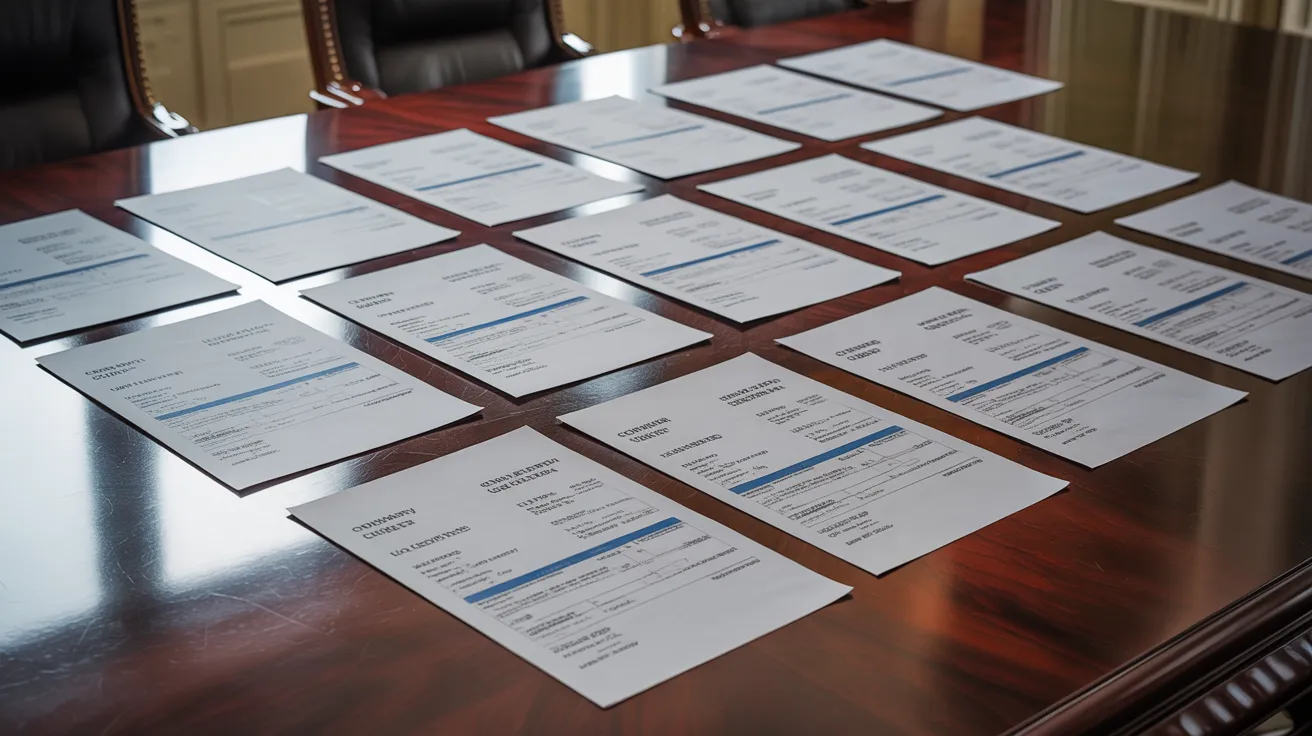
Essential Insights
- Trade compliance records are records and digital files confirming imports and exports observed customs, export control, sanctions, and reporting rules.
- They include classifications, assessments, source assistance, examination findings, permits, billing documents, transport documentation, entry summaries, and transaction history.
- These records establish a evidence path uniting products, parties, jurisdictions, filings, and any modifications or discrepancy resolutions.
- Companies preserve them to facilitate audits, respond quickly to government inquiries, and demonstrate controls were applied consistently across transactions.
- Ownership, retention, access controls, and version management are fundamental so records remain detailed, valid, and usable when needed.
What Are Trade Compliance Records?
Trade compliance records are the documents and data your business creates, receives, and retains to indicate that each purchase, sale, resale, relocation, or associated transaction complied with applicable customs, export control, sanctions, and trade reporting requirements. They provide an inspectable trail revealing how you classified goods, examined parties, applied licenses or exceptions, valued entries, notified shipments, and resolved discrepancies.
You utilize these records to substantiate decisions, support internal controls, and respond to government inquiries, audits, or investigations. Effective trade document retention preserves evidence integrity, accessibility, and traceability across systems and functions. Your record set also includes compliance training logs, policy acknowledgments, escalation notes, and corrective-action documentation because regulators assess whether your program operated consistently, not merely whether a transaction cleared. Accurate records reduce exposure and strengthen defensibility.
What Customs Regulatory Records Are You Obligated to Maintain?
Start by keeping every record that proves how you decided, carried out, and monitored a governed transaction from initiation through post-entry or subsequent-shipment assessment. Maintain product data, tariff classification analyses, valuation support, origin determinations, broker instructions, commercial invoices, packing lists, purchase orders, shipping documents, entry summaries, and payment records.
You should also keep export controls records, including screening outcomes, licensing decisions, permits or exemptions applied, end-use and end-user statements, technical data assessments, and internal approvals. Maintain communications with customs agents, shipping companies, vendors, and regulatory bodies when it affects compliance decisions. Maintain audit trails from your ERP, denied-party screening platform, and classification systems. If you corrected a filing, website preserve the revision, supporting documentation, and proof demonstrating when you discovered and resolved the error.
Why Do Trade Compliance Records Hold Importance?
Your trade compliance records matter because they help you prevent regulatory violations, guarantee accurate submissions, and document the basis for each transaction. When customs authorities or other agencies scrutinize your business activities, full records let you act swiftly, verify compliance, and minimize exposure to fines, logistic delays, and enforcement proceedings. They also keep you compliant by showing that you’ve applied required controls, preserved required data, and followed recordkeeping policies consistently.
Regulatory Adherence Risk Control
Since customs authorities and other overseers can inspect prior shipments long after clearance, comprehensive trade compliance records reduce your exposure to penalties, shipment holds, license violations, and false declaration findings. You need records that document tariff classification, customs valuation, origin, license determinations, screening results, and broker instructions. When documentation is consistent, current, and retrievable, you can prevent discrepancies from escalating into seizures, liquidated damages, or enforcement referrals.
You also enhance safeguard mechanisms by tying documentation to customs education and vendor screening. Educational documentation demonstrate employees followed approved procedures when creating declarations and assessing restricted-party hits. Supplier vetting files confirm your trust in vendor data, including origin statements, product specifications, and valuation inputs. Together, these records assist you in recognizing noncompliant transactions early, remedy data defects, and sustain defensible import and export decisions.
Audit Readiness Advantages
Maintain full, properly indexed trade compliance records to stay audit-ready and enable quick responses to regulatory and sanctions inquiries. You are able to retrieve classifications, licenses, denied-party screening results, origin support, valuation data, and shipping documents with no delays. This speed demonstrates control, lowers follow-up questioning, and limits disruption to operations.
Strong record management practices also help you prove consistency across transactions, corporate divisions, and duration spans. You create a reliable compliance record that links choices to source documents, endorsements, and platform logs. If officials test a sample, you can confirm claims, regulatory exemptions, and evaluation results with dated evidence. You also recognize shortcomings earlier through internal reviews, address recordkeeping weaknesses, and strengthen your position before audits, announcements, sanction determinations, or enforcement actions surface.
How extended Should You retain Trade Regulatory Data?
Although storage periods vary by area and class of transaction, you should keep trade compliance records for at least the basic term required by the statutes that regulate the import, export, sanction, and customs activity at question, and you should compute that period from the legally relevant trigger date, such as export, import entry, authorization expiration, or completion of the transaction.
You should check the exact rule for each system you touch, because data retention timers don't always start on the same trigger. Your document record keeping plan should cover records, licenses, classifications, screenings, communications, and supporting commercial documents. Apply information reduction carefully: keep what the law requires, preserve what substantiates compliance decisions, and delete excess material when permitted. If litigation, an inquiry, or an audit begins, suspend ordinary deletion until the hold is lifted.
Who Carries Responsibility for Trade Compliance Records?
You must grant transparent stewardship for trade compliance recordkeeping, because responsibility can't rest with an imprecise team or casual methodology. You should assign the accountable entity, formalize its authority, and assure it preserves complete, accurate, and retrievable records. You also can't regard record keeping as a disconnected function, since compliance, logistics, finance, procurement, and legal each produce records and collectively bear accountability for their quality.
Recordkeeping Control
Before shipment dispatch, filing, or screening event occurs, make sure to assign recordkeeping duty, since customs and export authorities hold the importer, exporting party, filer, or other participant identified in the transaction liable for producing complete and accurate trade compliance records.
You should create stewardship frameworks that clarify who oversees generation, assessment, storage, recovery, and elimination of each record category. Your designation should align with the authorized position in the transaction and the platform from which source data originates. Effective information governance requires you assign authority to maintain revision tracking, maintain file data, verify modifications, and prevent improper erasure. You must additionally develop documented procedures that specify the information custodian for entry summaries, trade documents, designations, licenses, examination outcomes, and dealer directives. Without clear ownership is not clearly stated, storage lapses, inconsistent files, and late delivery during audit processes prove far more likely.
Cross-Functional Responsibility
Ownership of records sets the baseline, but cross-functional accountability decides whether those records are maintained complete, accurate, and producible throughout the transaction lifecycle. Trade compliance alone is not sufficient. Procurement, logistics, customs brokers, finance, IT, and legal each establish, transmit, validate, or keep record elements subject to retention, audit, and disclosure requirements.
You need to allocate documented responsibilities for data entry, classification support, origin substantiation, broker instruction review, shipment document reconciliation, and system access controls. Proper cross border coordination ensures data align across jurisdictions, languages, and platforms. Strong stakeholder engagement helps you address discrepancies before filings, entries, or post-entry corrections occur. Set up escalation paths, version control, retention triggers, and regular testing so each function can demonstrate accountability and generate defensible records on demand during audits or government inquiries.
How Should You Arrange Trade Compliance Records?
Generally, the most productive way to manage trade conformance records is to echo your actual deal progression so each file links the item, parties, jurisdiction, classification, licensing determination, screening results, shipping documents, and post-entry activity in one transparent sequence.
You should establish consistent document categorization rules by transaction, product, customer, supplier, and country, then classify each record with version control, responsible owner, and effective date. Utilize standardized folder structures and naming conventions so auditors can easily access source documents, correspondence, certifications, and system outputs without delay. Your retention scheduling must meet applicable customs, export controls, sanctions, and tax requirements in every relevant jurisdiction. Maintain secure access controls, audit trails, and cross-references between physical and electronic repositories to demonstrate completeness, integrity, and timely retrieval during reviews or government inquiries.
What Import/Export Compliance Documents Missteps Are Widespread?
Common lapses in trade compliance recordkeeping usually develop from voids in completeness, consistency, and retention rather than from a single unlocated document. You often spot files that lack commercial invoices, packing lists, broker communications, or internal approvals, forming incomplete records that weakens traceability. You may also retain records in different formats without version control, which makes resolution difficult during reviews.
You can also generate risk when you maintain records under inconsistent naming conventions, distribute related entries across infrastructures, or neglect to log amendments. Incorrect classifications, unsupported country-of-origin determinations, and orphaned valuation support are typical errors. If you don't harmonize retention periods with applicable trade and regulatory compliance requirements, you subvert record integrity. You should also track fragmentary audit trails, superfluous files, and records that cannot be accessed promptly.
How Do Trade Compliance Records Prevent Fines?
Strong trade compliance documentation reduce exposure to fines because they let you to establish what you disclosed, when you declared it, and the basis for each action. During an assessment, you can produce entry data, invoices, rulings, licenses, and broker instructions that corroborate declared value, origin, and qualification. That material proves adequate care and limits claims of negligence.
You also avoid repeat errors by keeping track of controls around classification systems, restricted-party screening, valuation methods, and record retention. If customs questions a discrepancy, you can trace the transaction, identify the approver, and show corrective action. Records from training programs further demonstrate that employees understood procedures and escalation requirements. With complete, contemporaneous files, you reduce response times, support prior disclosures, and reduce the likelihood of seizures, liquidated damages, and civil penalties.
Frequently Asked Questions
Is it Secure for Smaller Companies to Delegate Trade Compliance Documentation?
Yes, you can outsource compliance record management safely if you manage vendor risks through robust agreements, access limits, data protection, and inspection privileges. You should prioritize vendor assessment by evaluating the provider's compliance experience, information storage practices, incident response, and controls. You must also verify requirements, record accessibility, and retention timeframes. If you track performance and document oversight, you'll reduce liability and ensure adherence with applicable trade standards.
What Role Do Electronic Solutions Play in Enhancing Trade Compliance Record Exactness?
Automated platforms boost your trade compliance record precision by consolidating data, identifying issues, and preserving audit trails. You reduce manual input, prevent duplicate records, and maintain version control. With automated validation, you catch missing data, inconsistent classifications, and expired licenses before filing. With artificial intelligence matching, you compare invoices, entries, and shipping records quicker and more precisely. You also reinforce retention compliance, retrieval speed, and defensible documentation during regulatory audits.
Do Commerce Regulatory Record Standards Differ Between Countries?
Yes, you must anticipate trade regulatory record obligations to vary across countries. National variations impact retention timeframes, acceptable structures, access rules, and inspection expectations. You also need to track documentation thresholds, because regulators may require different substantiating documents based on shipment worth, product category, origin, or licensing status. If you standardize core records yet map regional rules region by region, you'll reduce infractions, support border investigations, and preserve defensible regulatory controls.
What Courses Equips Employees Manage Trade Compliance Records Competently?
You support employees handle trade compliance records efficiently through specialized recordkeeping training, export controls coursework, classification instruction, and audit-readiness drills. You should address retention periods, document accuracy, restricted-party screening support files, licensing records, and escalation procedures. Also, role-based training for shipping, logistics, sales, and compliance staff is required by you. Through refresher sessions, testing, and documented attendance, you strengthen consistent compliance during internal reviews and government audits.
How periodically Should Companies check Their Trade Compliance Records?
You should examine your trade compliance records at least annually, with annual reviews covering core documentation, upkeep, classification, licenses, and filing accuracy. You should also use risk-conscious audits more frequently when your company handles high volume shipments, regulated products, new markets, or prior violations. If your risk profile changes, you should step up audit frequency promptly. This system helps you uncover gaps, correct errors, and support ongoing regulatory compliance.
Closing thoughts
Trade regulatory compliance records are your paper trail through customs, audits, and enforcement reviews. When you keep complete, precise, and timely records, you create a clear line of sight from classification and assessment to licensing and shipment history. That discipline helps you prove reasonable care, correct errors quickly, and reduce penalty exposure. Store records systematically, retain them for the required period, and assign ownership. In a regulatory storm, well-kept records are the lantern that keeps your operation on course.